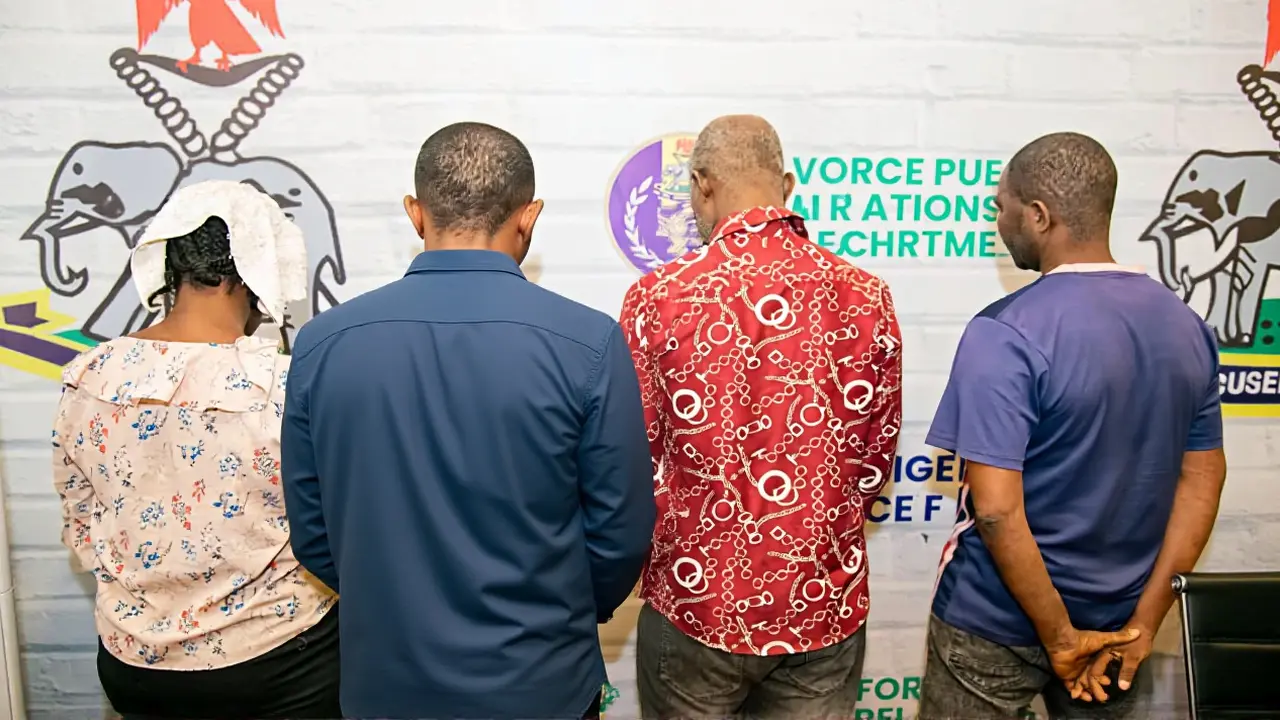
The integrity of Nigeria’s most critical university entrance exam was nearly compromised last week, but a swift joint operation stopped it in its tracks. The Nigeria Police Force, working closely with the Joint Admissions and Matriculation Board (JAMB), dismantled a sophisticated cheating syndicate during the 2026 Unified Tertiary Matriculation Examination (UTME). The crackdown happened at the College of Education in Warri, Delta State, resulting in three arrests.
Here’s the thing: this wasn’t your typical passing-of-notes scenario. We’re talking about high-tech intrusion. Criminals were attempting to hack into candidates’ computer systems remotely while exams were live. It’s a chilling reminder that as education goes digital, so does the crime.
High-Tech Fraud Disrupted
The operation began on Friday when DCP Anthony Placid, Force Public Relations Officer for the NPF, held a press conference in Abuja. He revealed that intelligence-led investigations had uncovered attempts to compromise the exam through "technology-assisted fraud." Specifically, unauthorized remote access was being gained into the computers used by students taking the test.
Digital forensic leads pointed directly to the culprits. Police operatives moved quickly, executing coordinated raids that led to the arrest of three suspects linked to the criminal activity. These individuals are currently in custody, assisting investigators in untangling the wider network. It’s a stark example of how cybercrime is infiltrating sectors previously thought safe from such threats.
"The Nigeria Police Force remains committed to identifying, dismantling, and prosecuting criminal networks seeking to undermine the credibility of Nigeria's educational system," DCP Placid stated firmly. His words carry weight, especially given the scale of the UTME, which determines the academic futures of hundreds of thousands of young Nigerians annually.
Wider Implications and Administrative Action
But wait—the damage wasn't contained to just one center. Preliminary investigations suggest that other examination centers may have been involved in similar illegal activities. This broader scope forced JAMB to take immediate, decisive administrative measures. Results from affected centers have been withdrawn pending the conclusion of full investigations.
This raises a difficult question: what happens to the innocent students caught in the crossfire? Fortunately, JAMB has assured the public that legitimate candidates will not suffer for the crimes of others. Affected students will be rescheduled for the mop-up examination. This arrangement ensures that those who studied hard and played by the rules still get their fair shot at tertiary education.
The move highlights a delicate balance JAMB must strike: maintaining strict integrity standards while protecting the rights of individual candidates. Withdrawing results is a blunt instrument, but necessary when the validity of scores is in doubt. The fact that fresh arrangements are being made quickly shows an understanding of the pressure these students face.
A Warning to Would-Be Cheatsters
The police didn’t just stop at arrests; they issued a stern warning to all stakeholders. In an official statement, the NPF warned candidates, center operators, and collaborators to desist from any form of examination malpractice, cyber-assisted fraud, or unauthorized system intrusion. The message was clear: the net is closing in.
"The Force warns all candidates... to desist from engaging in any form of examination malpractice," the statement read. This isn’t just bureaucratic language. It’s a direct threat to the business model of these syndicates. When you know the authorities are watching—and using digital forensics to track you—your risk profile changes dramatically.
For parents and students across Delta State and beyond, this incident serves as both a cautionary tale and a reassurance. Yes, the system is vulnerable to hacking. But no, it won’t be left unchecked. The collaboration between law enforcement and the examination body signals a new era of zero tolerance for tech-enabled cheating.
Background: The Evolution of Exam Crime
To understand why this matters, we need to look back. For years, UTME malpractice involved physical aids—hidden notes, earpieces, or bribed invigilators. While serious, these methods required physical proximity and were easier to detect visually. The shift to Computer-Based Tests (CBT) was meant to reduce human error and bias. Instead, it opened a new frontier for criminals.
Cyber-assisted fraud allows perpetrators to operate from afar, potentially affecting multiple candidates simultaneously without ever stepping foot in the exam hall. The incident at the College of Education, Warri, marks a significant escalation in this trend. It suggests that organized crime groups are investing heavily in technical capabilities to exploit educational infrastructure.
Historically, JAMB has struggled with capacity constraints and security gaps. This latest development forces a reevaluation of cybersecurity protocols within examination centers. Are the firewalls strong enough? Is the software patched against known vulnerabilities? These are questions that now demand urgent answers.
Frequently Asked Questions
What exactly did the suspects do?
The suspects engaged in technology-assisted fraud by gaining unauthorized remote access to candidates' computer systems during the live 2026 UTME examination. This allowed them to potentially manipulate answers or leak questions in real-time, compromising the integrity of the test for those specific candidates.
Will innocent students lose their chances?
No. JAMB has confirmed that candidates affected by the withdrawal of results due to this malpractice will not lose their opportunity. They will be rescheduled to sit for the examination during the designated mop-up period, ensuring they are not penalized for the actions of criminals.
How many people were arrested?
Three suspects were arrested directly linked to the criminal activity at the College of Education, Warri. They are currently in the custody of the Nigeria Police Force and are assisting with ongoing investigations into the wider syndicate.
Are other centers involved?
Investigations indicate that additional examination centers may be suspected of engaging in similar illegal activities. As a precaution, JAMB has withdrawn results from affected centers pending further investigation to ensure the overall credibility of the 2026 UTME results.

Sihle Tana
I am a journalist with a passion for covering daily news in Africa. My work has taken me across the continent, reporting on significant events and stories that impact communities. I strive to bring insightful and comprehensive news coverage to my readers.