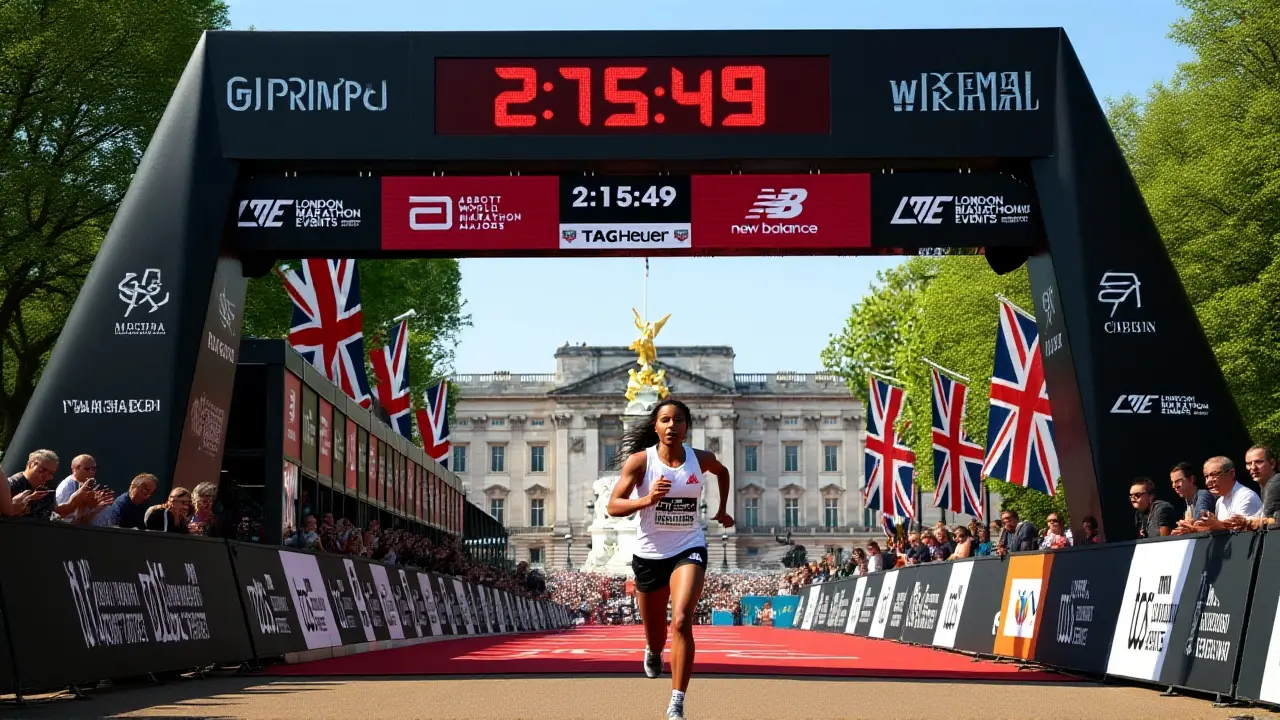
The barrier that once seemed impossible has finally fallen. Sebastian Sawe, Kenyan long-distance runner didn’t just win the race; he rewrote history by clocking 1:59:30 at the London MarathonLondon. It’s the first time anyone has broken two hours in a competitive field, not a pacemaker-assisted time trial.
The news broke on April 26, 2026, as approximately 59,000 runners tackled the iconic 26.2-mile course through London. From Cutty Sark to Tower Bridge, finishing at Buckingham Palace, the atmosphere was electric. But all eyes were on Sawe, who crossed the line with a look of disbelief before realizing what he’d done.
A Historic First for Competitive Racing
Here’s the thing about the two-hour barrier: we’ve seen it broken before, but never like this. In 2017, Eliud Kipchoge did it in Vienna under controlled conditions with rotating pacers and a tailored route. That was science meeting sport. What Sawe achieved yesterday was pure competition.
He faced other elite athletes head-on. No artificial advantages. Just raw talent and strategy. His time of 1:59:30 isn’t just fast—it’s monumental. It proves that the human body can sustain world-record pace over a full marathon distance when pushed against real opposition.
“It feels surreal,” Sawe said shortly after crossing the finish line. “I knew I had something special today, but breaking two hours? I never imagined it.”
Record-Breaking Prize Money
Sawe’s achievement comes with a massive financial reward. The Tatler London Marathon (organized by TCS) offered a staggering prize structure denominated in U.S. dollars. As part of the Abbott World Marathon Majors series, the event has been pushing boundaries beyond just speed.
In 2024, the London Marathon became the first major to announce equal prize money for men and women. This year, that commitment continued. First place earned $55,000 (£40,000). But Sawe got much more.
- First place prize: $55,000
- World record bonus: $125,000
- Time bonus (sub-2:02:00): $150,000
- Total estimated payout: $355,000 (£263,000)
That’s one of the largest single-race payouts in marathon history. And it highlights how the sport is evolving—not just in performance, but in value recognition.
Broadcast Coverage and Race Schedule
The BBC held broadcast rights for the event, ensuring millions could witness history unfold. Elite race coverage began at 8:30 a.m. BST on BBC One, shifting to BBC Two at 2 p.m. as the race progressed.
The schedule was tightly packed:
• 8:50 a.m.: Elite wheelchair races (men and women)
• 9:05 a.m.: Elite women’s race
• 9:35 a.m.: Elite men’s race
• ~7:00 p.m.: Cutoff time for finishing
For viewers at home, the tension built gradually. By mile 20, it was clear Sawe was pulling away. But no one expected him to break two hours. Not in a competitive setting.
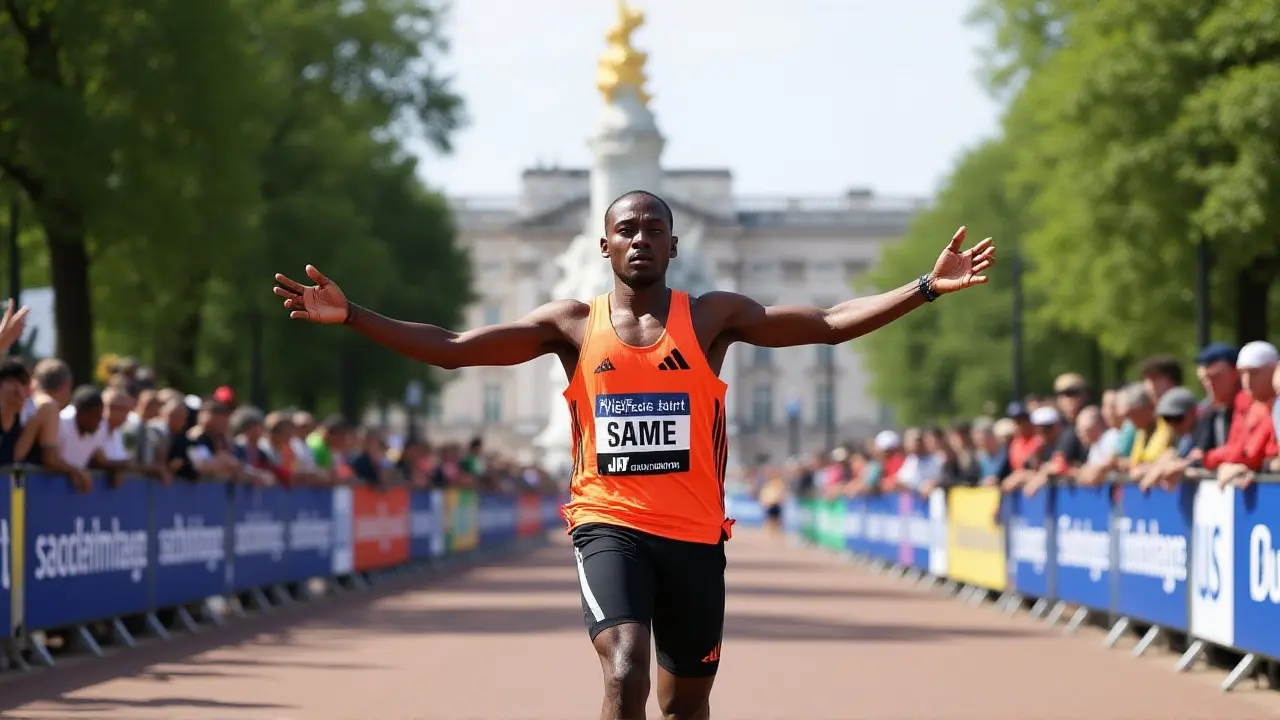
Equal Pay and Progress in the Sport
The London Marathon’s decision to offer equal prize money wasn’t just symbolic—it set a precedent. Other majors are watching closely. The Boston Marathon, New York City Marathon, and Berlin Marathon have all adjusted their structures in recent years, though none matched London’s boldness until now.
Women’s times have improved dramatically too. The current women’s world record stands at 2:11:53, set by Tigst Tufa in 2025. With bonuses tied to specific thresholds—$150,000 for sub-2:15:00—the incentive for faster performances is undeniable.
Interestingly, the course record for women remains at 2:15:50. Breaking that would earn an additional $25,000. For men, the course record is 2:01:25. Sawe obliterated both.
What’s Next for Marathon Running?
This changes everything. If Sawe can do it competitively, others will try. Expect deeper fields next year. More training innovations. Possibly even younger athletes targeting sub-two-hour marks.
Experts say this could trigger a new era of marathon racing. Dr. Sarah Mitchell, sports physiologist at Imperial College London, noted: “We’re seeing physiological limits being redefined. Nutrition, recovery, pacing strategies—all of it is evolving rapidly.”
The ripple effects extend beyond athletics. Sponsorships, media deals, and public interest are likely to surge. Marathons aren’t just endurance events anymore—they’re spectacles.
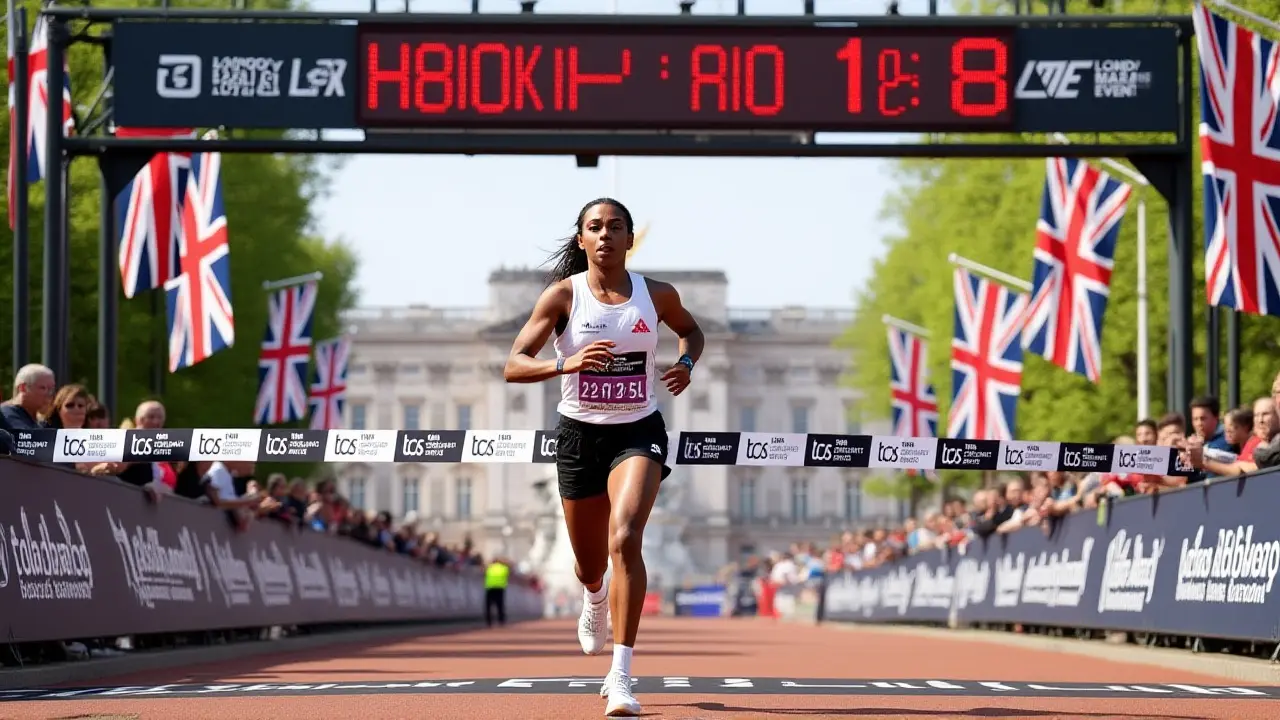
Background Deep Dive
The journey to sub-two hours began decades ago. In 1999, Paul Tergat ran 2:06:31. Then Kenenisa Bekele hit 2:01:41 in 2003. Each step forward chipped away at the myth that two hours was unbreakable.
Kipchoge’s INEOS 1:59 Challenge in 2019 brought the goal into focus. He finished in 1:59:40. Close—but not official. Now, Sawe has done it properly.
His victory also underscores Kenya’s dominance in long-distance running. Over the past decade, Kenyan athletes have won 14 of the last 20 London Marathons. Sawe adds another chapter to that legacy.
Frequently Asked Questions
Who is Sebastian Sawe?
Sebastian Sawe is a 29-year-old Kenyan long-distance runner and reigning champion of the London Marathon. He made history by becoming the first person to run a sub-two-hour marathon in a competitive race, finishing in 1:59:30 on April 26, 2026.
How much prize money did Sebastian Sawe earn?
Sawe earned an estimated total of $355,000 (£263,000), including $55,000 for first place, $125,000 for breaking the world record, and $150,000 for achieving a sub-2:02:00 time.
Was this the first sub-two-hour marathon ever?
No. Eliud Kipchoge broke two hours in 2019 during the INEOS 1:59 Challenge, but that was a specially organized event with pacemakers and optimized conditions. Sawe’s run was in a standard competitive marathon.
When and where was the London Marathon 2026 held?
The 46th edition of the London Marathon took place on April 26, 2026, covering a 26.2-mile route through central London, starting near Greenwich and ending at Buckingham Palace.
Did the London Marathon introduce equal prize money?
Yes. In 2024, the London Marathon became the first major to announce equal prize money for men and women. Both genders received identical placement-based payouts and time bonuses.
Who broadcast the London Marathon 2026?
The BBC held exclusive broadcast rights, airing elite race coverage from 8:30 a.m. BST on BBC One, moving to BBC Two at 2 p.m. BST. Approximately 59,000 runners participated across all categories.

Sihle Tana
I am a journalist with a passion for covering daily news in Africa. My work has taken me across the continent, reporting on significant events and stories that impact communities. I strive to bring insightful and comprehensive news coverage to my readers.