United Nations: Global Efforts in Conservation, Sports, and Human Rights
When you think of the United Nations, a global organization formed to maintain international peace and promote human rights, development, and cooperation among nations. It’s not just about diplomacy in New York—it’s about real decisions that affect wildlife in South Africa, football teams in DR Congo, and police forces in Kenya. The World Bank, a financial institution that provides funding for development projects worldwide, often in partnership with the UN backed a $150 million green fertilizer plant in Paraguay, showing how global funding ties into food security and climate goals. Meanwhile, the United Nations, a global organization formed to maintain international peace and promote human rights, development, and cooperation among nations indirectly supports conservation efforts like the discovery of the new rain frog in KwaZulu-Natal, because protecting biodiversity is part of its Sustainable Development Goals.
The United Nations doesn’t run football leagues, but its values echo in the 2026 World Cup qualifiers. When DR Congo fights for a spot, it’s not just about sport—it’s about representation. The UN promotes inclusion, and these play-offs give small nations a global stage. In Kenya, when the High Court paused police recruitment over transparency issues, it echoed UN human rights standards. The same principles show up in Nigeria, where legal battles over tinted-glass permits and one-party state fears are being watched by international observers. Even in Africa’s football derbies and wildlife rescues, the UN’s framework quietly shapes how governments act—or should act.
You won’t find UN meetings in every story here, but you’ll see their fingerprints. From the rain frog’s survival to the fate of African teams in the World Cup, from court orders in Kenya to funding deals in Paraguay—the UN’s goals are the invisible thread. What follows are real stories where global promises meet local reality. These aren’t abstract policies. They’re lives, animals, and communities shaped by the decisions made under the UN’s umbrella.
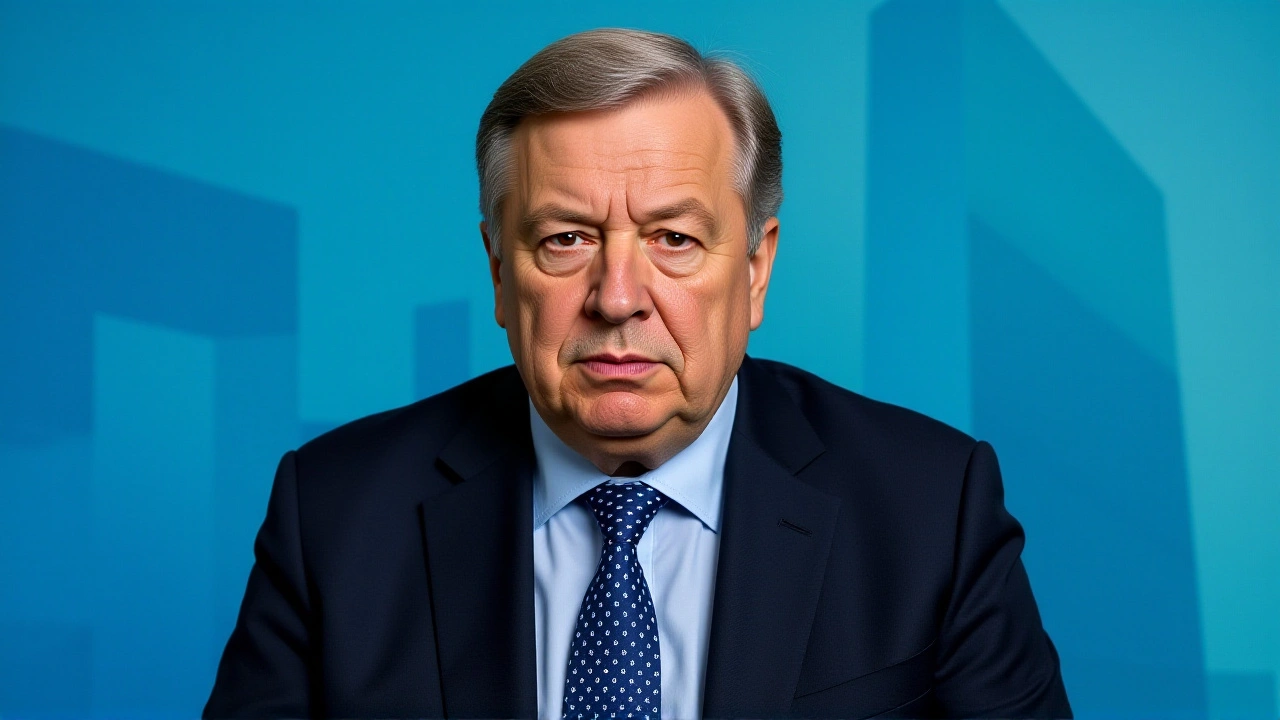
Guterres Calls to End AIDS Epidemic Once and For All on World AIDS Day 2025
On World AIDS Day 2025, UN Secretary-General António Guterres urged global action to end the AIDS epidemic, highlighting progress and persistent gaps in HIV treatment access, as UN agencies and South Africa joined the call.
read more