HIV treatment access: What’s working, what’s not, and where South Africa stands
When we talk about HIV treatment access, the ability of people living with HIV to get the medicines and care they need to stay healthy and live long lives. Also known as antiretroviral therapy access, it’s not just about pills—it’s about clinics, transport, stigma, and whether the system actually works for the person on the ground. South Africa has the largest HIV treatment program in the world. Over 5 million people are on antiretroviral drugs. That’s more than any other country. But numbers don’t tell the whole story. Many still can’t get care when they need it.
Why? It’s not because the drugs aren’t available. They are. It’s because clinics run out of staff, people travel hours to get to one, or they’re afraid to be seen walking in. In rural areas like parts of the Free State or Eastern Cape, a person might walk 15 kilometers just to pick up their meds. Some skip doses because they can’t afford the bus fare. Others delay testing because they fear being judged. These aren’t abstract problems—they’re daily realities. And they break the chain of treatment before it even starts.
What’s missing in the system?
It’s not just about medicine. It’s about public health, the organized efforts of communities and governments to prevent disease and promote health. This includes mobile clinics, community health workers, and phone reminders that actually reach people. It means training nurses so they don’t treat patients like cases, but like people. It means making sure that a teenager in Kroonstad can get PrEP without being stared at, or that an elderly woman in a village has someone to walk with her to the clinic. The system has the tools—it’s the delivery that’s broken. And when delivery fails, lives are lost.
South Africa has done more than most to fight HIV. But progress isn’t linear. You can’t scale a program if the last mile is paved with silence and shame. That’s why the stories below matter. They show real people, real barriers, and real solutions that are working—sometimes against all odds. You’ll read about clinics that turned things around, community groups that filled gaps the government couldn’t, and the quiet heroes keeping treatment alive when the system stumbled. This isn’t just about HIV. It’s about how we care for each other when it matters most.
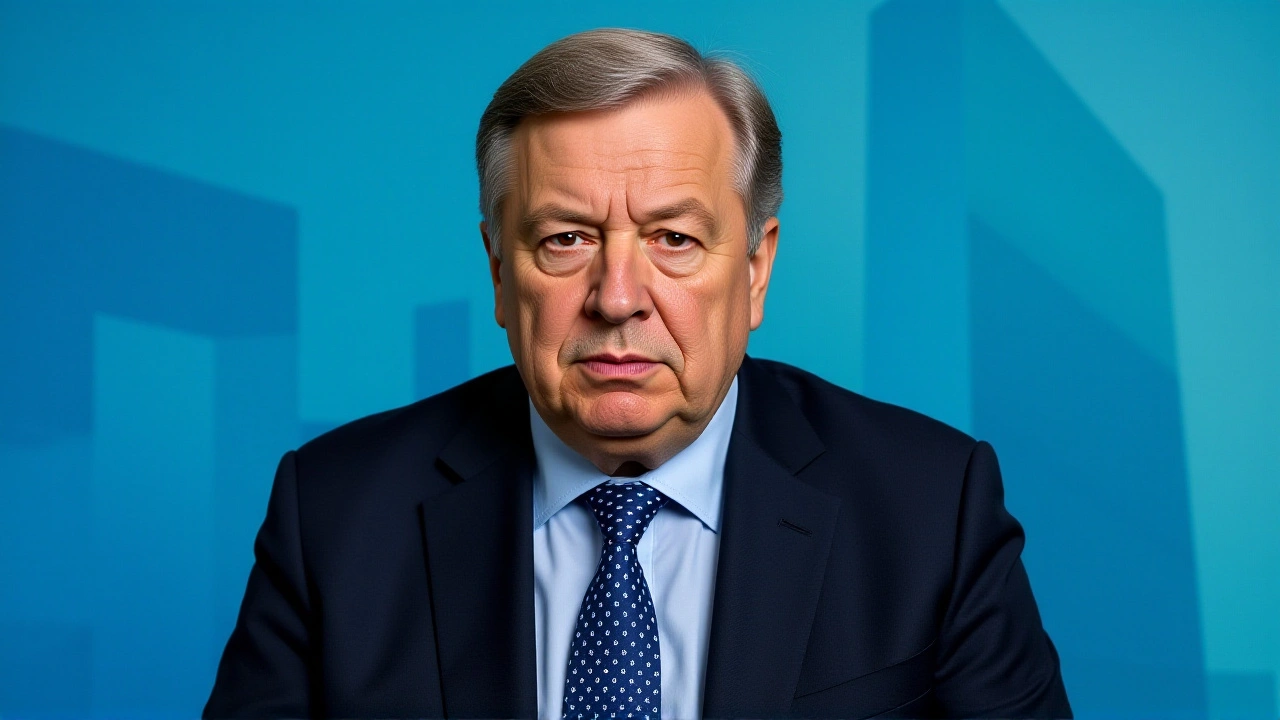
Guterres Calls to End AIDS Epidemic Once and For All on World AIDS Day 2025
On World AIDS Day 2025, UN Secretary-General António Guterres urged global action to end the AIDS epidemic, highlighting progress and persistent gaps in HIV treatment access, as UN agencies and South Africa joined the call.
read more