Global Health: What It Means and How It Connects to Africa
When we talk about global health, the collective efforts to improve health outcomes across borders, especially in underserved regions. It’s not just about vaccines or hospitals—it’s about whether a child in rural Kenya can eat nutritious food, if a mother in DR Congo can get mental health support after trauma, or if a fisherman in Cape Town can walk away from a whale strike without losing his life. This isn’t abstract. It’s daily life for millions.
nutrition, the science of how food affects physical and mental well-being is now recognized as a core pillar of global health. New research shows hunger doesn’t just weaken bodies—it breaks minds. In crisis zones, food insecurity isn’t just a hunger problem—it’s a mental health emergency. That’s why Kenya’s new rule to plant 2,000 fruit trees per school isn’t just about trees. It’s about long-term health, reducing malnutrition, and giving kids a fighting chance. The American Psychiatric Association and others are pushing for food programs to be part of every health response, not an afterthought.
mental health, the state of emotional, psychological, and social well-being is finally being treated like the urgent issue it is. In Kenya, the death of Gengetone star Shalkido after a bike crash didn’t just shock fans—it opened a conversation about stress, poverty, and lack of access to care in music communities. Meanwhile, in South Africa, the whale strike that killed kitesurfer Graham Howes reminded us that safety, environment, and health are tangled together. Global health doesn’t stop at borders. When police recruitment gets halted in Kenya over corruption fears, or when tinted-glass laws in Nigeria confuse millions, it’s not just about law—it’s about trust in systems that keep people safe.
From the rain frog discovery in KwaZulu-Natal to the World Bank backing a fertilizer plant in Paraguay, everything connects. Protecting ecosystems helps food systems. Fair policing helps community trust. Access to clean water and mental support saves lives. These aren’t separate issues—they’re threads in the same fabric. What you’ll find below aren’t just news stories. They’re snapshots of how global health plays out in real places, with real people, making real changes—or fighting to make them.
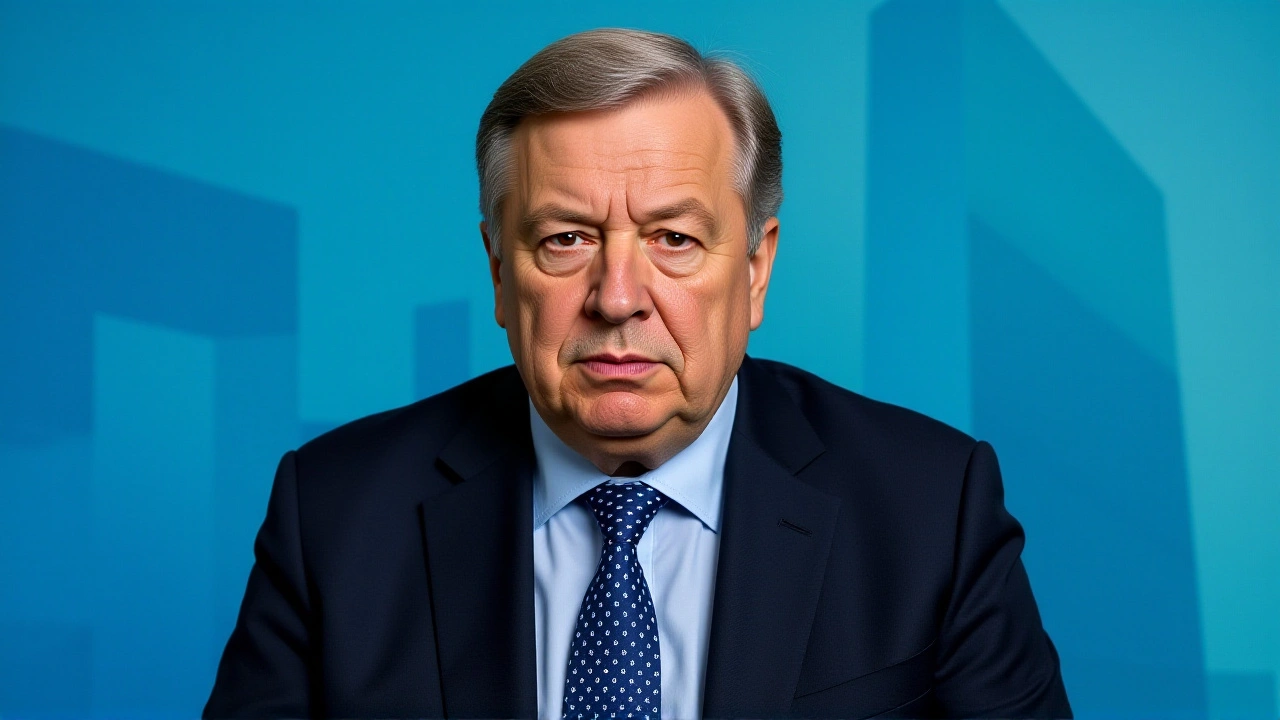
Guterres Calls to End AIDS Epidemic Once and For All on World AIDS Day 2025
On World AIDS Day 2025, UN Secretary-General António Guterres urged global action to end the AIDS epidemic, highlighting progress and persistent gaps in HIV treatment access, as UN agencies and South Africa joined the call.
read more