Amphibian Conservation: Protecting Frogs, Toads, and Salamanders Across Africa
When we talk about amphibian conservation, the effort to protect frogs, toads, salamanders, and caecilians from extinction. These creatures are not just slimy backyard visitors—they’re vital indicators of ecosystem health. Also known as bioindicators, amphibians react fast to pollution, climate shifts, and habitat damage, making them early warning systems for environmental collapse. If frogs vanish from a pond, something’s wrong—and it won’t stay just in the pond.
Amphibian conservation isn’t just about saving cute little creatures. It’s about protecting the wetland protection, the safeguarding of marshes, swamps, and seasonal water bodies that support amphibian life cycles. These areas filter water, reduce flooding, and feed entire food chains. But across Africa, wetlands are being drained for farms, roads, and housing. In Kenya, for example, the Mazingira Day tree-planting push helps restore nearby habitats, indirectly supporting amphibian survival. Meanwhile, habitat loss, the destruction or fragmentation of natural environments where amphibians live and breed is the number one killer. Over 40% of the world’s amphibian species are in danger, and many African species haven’t even been studied yet.
Why does this matter to you? Because amphibians eat mosquitoes, control insect outbreaks, and feed birds, snakes, and even fish. Lose them, and you disrupt everything from local farming to disease control. Some African communities are stepping up—like groups in South Africa working to rebuild vlei habitats, or researchers in Uganda tracking frog declines linked to pesticide runoff. These aren’t big international campaigns. They’re local, hands-on efforts, often led by teachers, farmers, and students who notice the silence where frogs used to sing.
You won’t find a story here about saving a rare newt in the Amazon. But you will find posts that show how African communities are dealing with the same threats—pollution, climate shifts, and disappearing water. From wetland restoration near Kroonstad to school programs teaching kids why toads matter, these stories connect the dots between daily life and the quiet crisis under our feet. What happens to frogs here? It echoes across the continent.
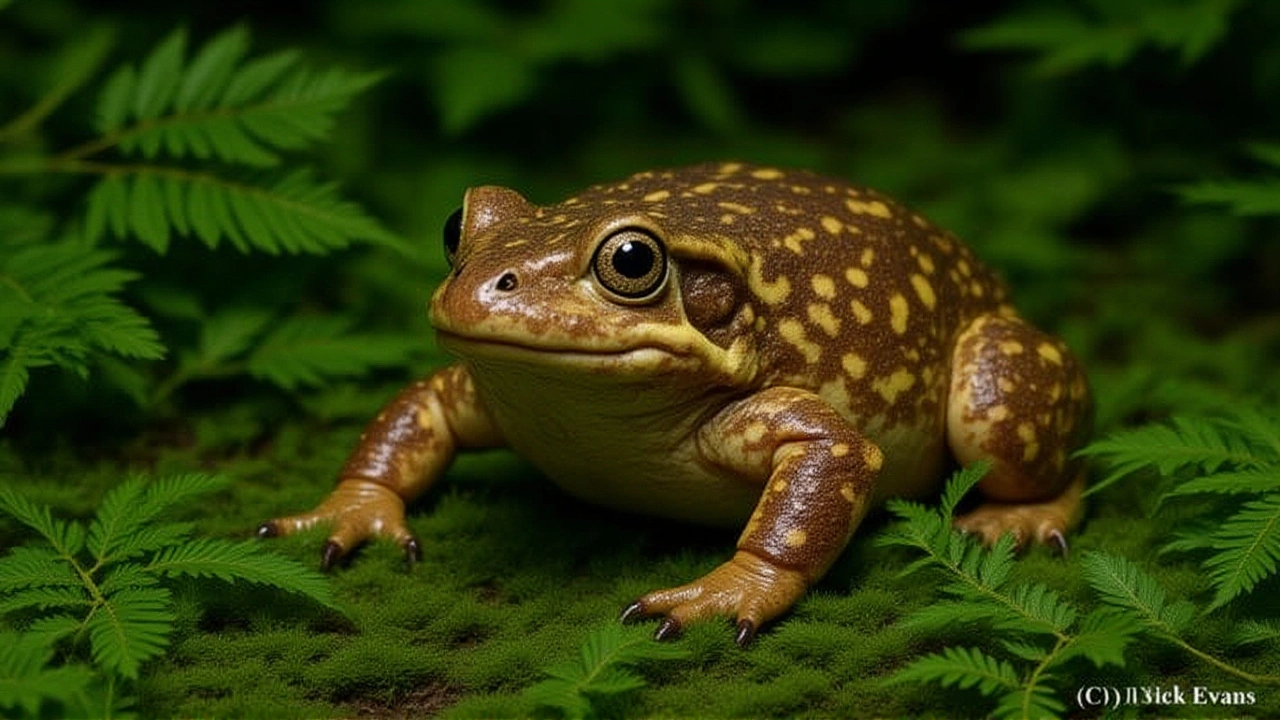
New 'Boston rain frog' discovered in South Africa, reshaping conservation for endangered sibling species
A new rain frog species, Breviceps batrachophiliorum, discovered in South Africa’s KwaZulu-Natal Midlands, has corrected a long-standing misidentification, pushing Bilbo’s rain frog to Critically Endangered status and reshaping conservation efforts.
read more