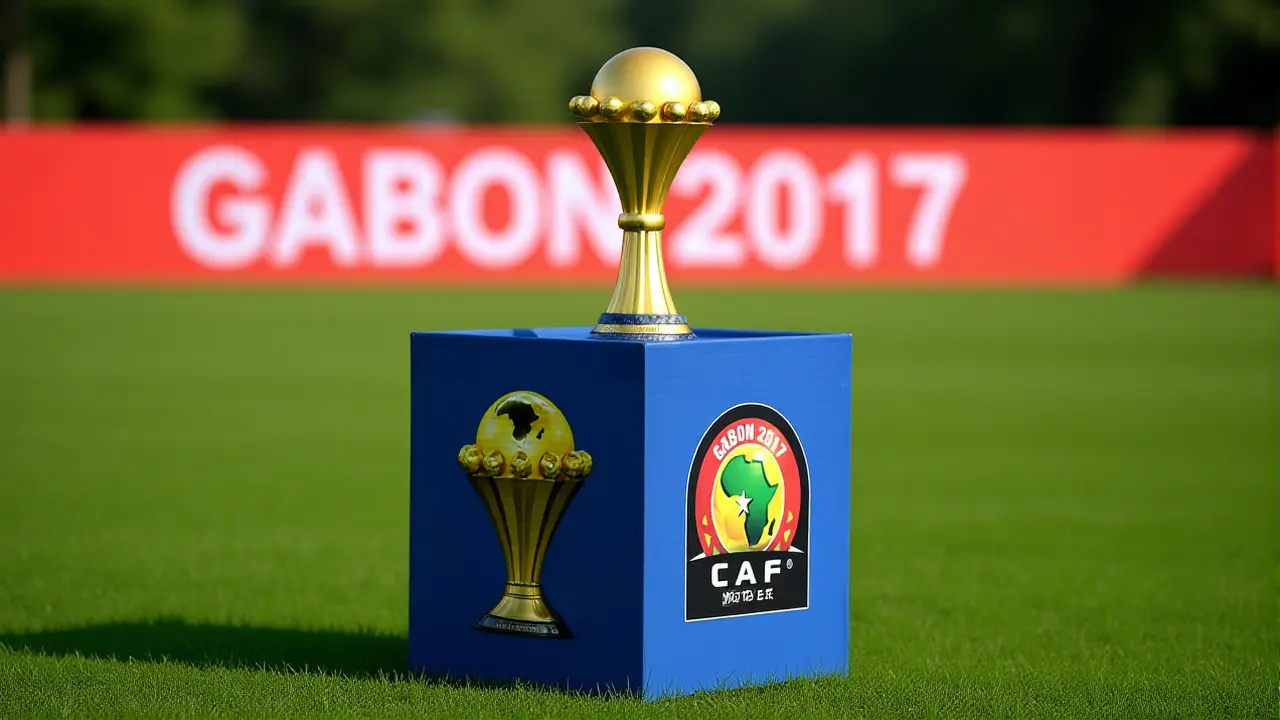
The football world woke up Tuesday morning to a shock that still feels surreal. Confederation of African Football, commonly known as CAF, officially stripped Senegal of the Africa Cup of Nations title, handing the trophy to Morocco instead. This isn't just a tweak to the standings; it's a complete rewriting of history following a contentious final played back in January. The ruling, announced March 18, 2026, means Morocco ends a nearly five-decade wait for their second continental crown, though the celebration in Marrakech looks anything like normal right now.
The Match That Broke Everything
You have to understand the scene set up on January 18, 2026, to grasp why this explosion happened. The final match was intense, tight, and eventually turned ugly. It looked like a standard battle until stoppage time when referees awarded Morocco a penalty kick. The tension in the stadium must have been palpable; you could feel the weight of history hanging over every pass. Player Brahim Diaz stepped up for Morocco but missed the shot. Play continued into extra time anyway. That's where the plot thickened.
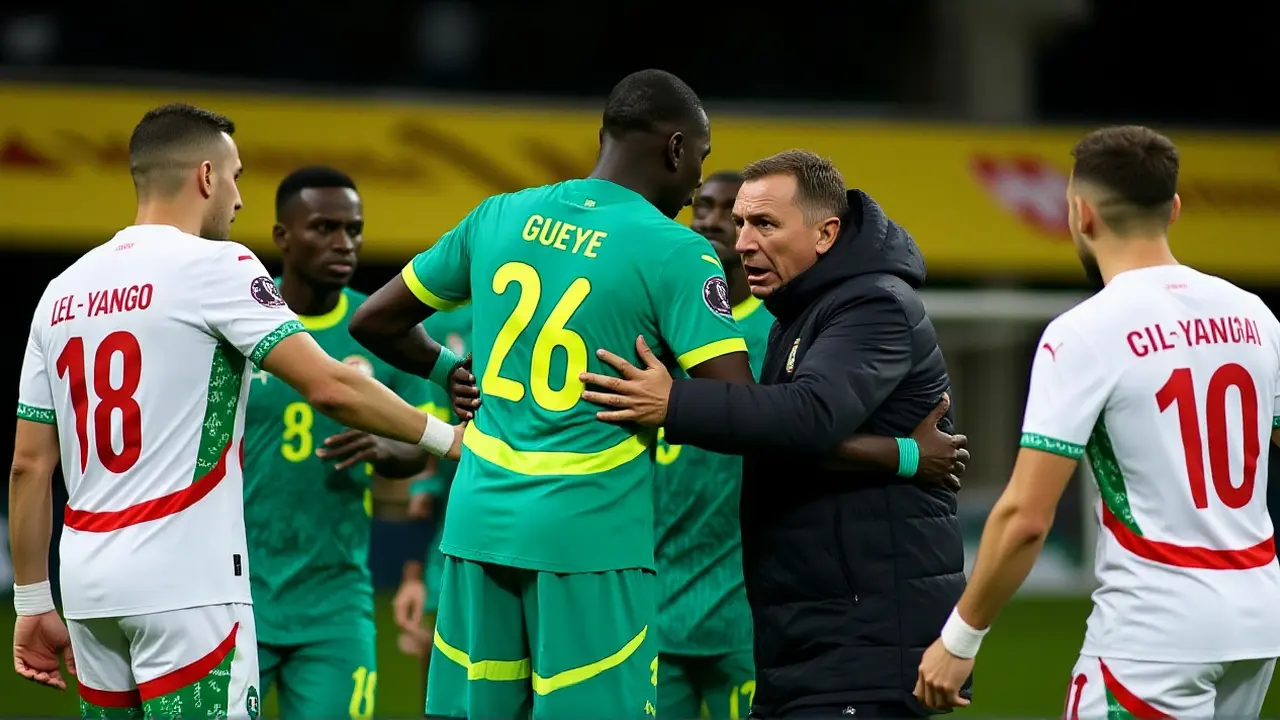
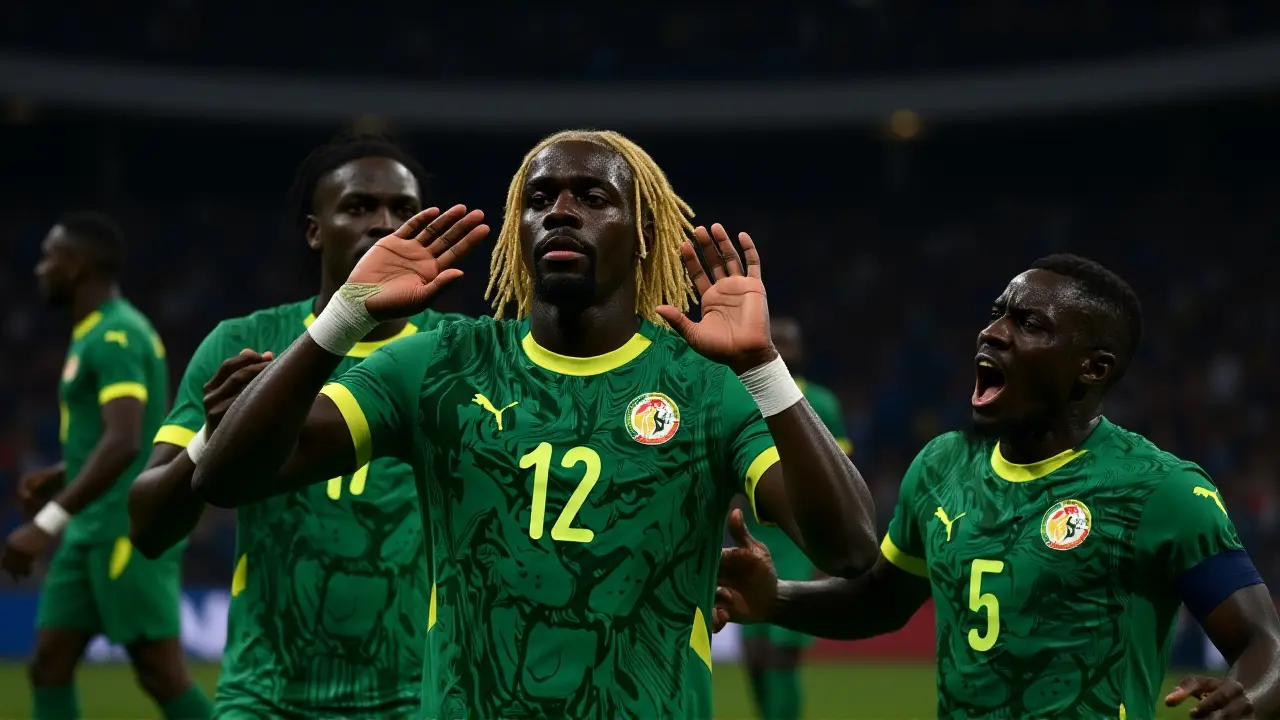
Senegal's striker Papá Gaye scored late in extra time to take a 1-0 lead on the field. But instead of celebrating, Senegal head coach Papita made a move that changed the game entirely. He led the squad off the grass in protest. They stayed away for 15 minutes before returning under pressure. The crowd was confused, players were sweating through jerseys they didn't want to wear, and officials were left trying to manage a boiling pot of anger. Oddly enough, the initial ruling actually let Senegal keep the title despite the disruption.
A Disciplinary Twist in the Tale
Here's the thing: the first punishment wasn't a loss of the cup. On January 29, 2026, the disciplinary committee fined Senegal $615,000 and Morocco $315,000. They even touched on laser pointer incidents targeting Senegal players earlier in the tournament and reduced penalties there. But the trophy stayed with the Lions of Teranga. Everyone assumed the fight was over until two months later came the hammer blow.
TotalEnergies CAF AFCON Morocco 2025Morocco, hosted across several cities, became the backdrop for this bureaucratic earthquake. The CAF Appeals Board reversed the earlier decision on Tuesday morning. They cited Article 82 of the regulations, which basically says walking off the pitch without permission equals elimination. Now, record books show Morocco won 3-0 via forfeit. It turns out the rulebook was waiting in the wings for exactly this kind of drama.
Voices from the Fallout
Naturally, nobody sat quietly while this unfolded. Dr Patrice Motsepe, who serves as the president of CAF, released an official statement backing the tribunal's decision. He stood firm that the rules must apply equally, regardless of the score on the scoreboard. But his words did little to calm the nerves in Dakar. The reaction there was immediate and fiery.
Marie Rose Kadi, the government spokesperson for Senegal, called the move an attempt to unjustly strip the nation of its glory. Her language was sharp, accusing the governing body of internal corruption. She demanded an independent international investigation right then and there. The anger isn't just emotional; it's backed by legal muscle. The Senegal Football Federation confirmed they are heading straight to the highest court in sport.
The Legal Battle Ahead
This doesn't end with a gavel bang in a boardroom. We're talking about a formal appeal to the Court of Arbitration for SportSwitzerland. Once filed, a panel will form to assess the grounds for overturning the CAF verdict again. Kenyan sports lawyer Rafael Omala has already weighed in publicly. He argued the reversal felt done in bad faith, pointing out how inconsistent the process appeared compared to other sporting precedents.
What makes this messy is the precedent. If a team walks off because they think the ref cheated them, but returns later, do they lose automatically? Or does the protest period matter more than the return? These nuances are the reason lawyers get paid big money in sports arbitration. Until a final judgment lands, the trophy in Rabat might sit behind glass, but it won't feel clean to half the continent.
Why This Hurts More Than Usual
African football carries heavy baggage regarding integrity and governance. Decisions like this reopen old wounds about transparency. Fans aren't just watching matches; they're watching power plays unfold on the pitch. The 49-year gap since Morocco's last title adds salt to the wound for Senegal supporters who had finally claimed their moment in the sun.
Turns out, winning games is one thing, but navigating the labyrinth of administrative rulings is another beast entirely. Whether this stays in the history books as a technicality or a scandal depends on what happens next in Lausanne, Switzerland. For now, the noise outside CAF headquarters hasn't quieted down much.
Frequently Asked Questions
Why did Senegal lose the title despite winning the match?
Senegal lost the title because the CAF Appeals Board ruled their walk-off from the pitch during the final violated Article 82. Even though they returned to play, the unauthorized departure triggered a forfeiture clause resulting in a 3-0 award to Morocco.
Where can Senegal appeal this controversial decision?
The Senegal Football Federation has confirmed they will challenge the ruling at the Court of Arbitration for Sport located in Switzerland. This independent body handles disputes involving FIFA and continental confederations worldwide.
Was there money involved in the disciplinary actions?
Yes, before the forfeiture ruling, the disciplinary committee fined Senegal $615,000 and Morocco $315,000 for various infractions including misconduct during the match and interference near VAR review areas during the tournament.
What is the current status of the AFCON trophy?
Morocco is currently recognized as the champion, but the title remains disputed pending the potential outcome at the Court of Arbitration for Sport. A final legal determination will decide whether Senegal can reclaim the honor.

Sihle Tana
I am a journalist with a passion for covering daily news in Africa. My work has taken me across the continent, reporting on significant events and stories that impact communities. I strive to bring insightful and comprehensive news coverage to my readers.
The governance structures within African football require immediate reform following this incident.
It appears the regulatory framework lacks sufficient nuance regarding player protests on the field.
While emotions run high, adherence to established statutes must remain absolute.
Sportsmanship dictates that one cannot manipulate outcomes through unauthorized abandonment of play.
The tribunal acted according to Article 82 which permits no such ambiguity.
Oh please spare me the lecture on statutes while trophies get handed out arbitrarily.
We all know what really happened back there and nobody is buying the clean slate narrative.
Sure lets pretend the rulebook matters more than the scoreline displayed right before our eyes.
This kind of performative justice is exhausting for everyone watching from outside the boardroom.
Senegal showed true spirit by returning to finish the game despite the anger. Coaches must guide players through such intense moments without losing control. Walking off changes nothing about the effort on display earlier. The squad needs to focus now on recovery and future planning.
I am absolutely devastated by this news and the injustice is palpable to everyone involved.
They walked away for minutes not forever so why the extreme punishment?
Morocco did not earn this victory on merit but through bureaucratic loopholes.
The world watches in horror as integrity crumbles under administrative decisions.
We demand transparency and an immediate reversal before the season ends in tragedy.
Article 82 specifies that abandonment triggers automatic elimination under current confederation protocols.
The committee reviewed footage showing a fifteen minute absence from the pitch entirely.
Returning later mitigates safety risks but does not erase the initial infraction record.
Legal precedents in FIFA jurisdiction support the forfeiture clause in these scenarios.
Appeals proceed to Lausanne but historical rulings rarely favor the abandoning party.
This whole situation is just insane.
The administrative chaos surrounding this decision speaks volumes about governance issues in Africa.
People forget that sporting bodies operate under strict statutes designed for order.
Article 82 was clearly violated when the team left the pitch without authorization.
Even though they returned to play, the breach of protocol triggered automatic consequences.
You cannot simply abandon a match and expect to keep the trophy afterwards.
The precedent set here affects every single national federation worldwide eventually.
Legal teams will argue semantics but the black and white text says elimination.
It feels harsh to many supporters yet it maintains the integrity of the ruleset itself.
Corruption accusations fly around but the tribunal cites written regulations primarily.
Independent investigations might clarify intent but rarely change the outcome after verdicts.
We see similar situations in tennis or rugby where walkouts lead to forfeiture immediately.
Emotional appeals work in courtrooms more often than they do in disciplinary tribunals unfortunately.
Morocco gains the glory but history might remember this controversy forever instead.
Fans deserve transparency regarding the voting process behind these sudden reversals too.
Ultimately the Court of Arbitration decides whether justice prevails over technicalities alone.
Until then the trophy remains tainted by the shadow of this bureaucratic dispute.
Stay positive guys we still have the game itself to enjoy 😊
These things happen and legends are made in the aftermath 🏆
Keep supporting your teams no matter the politics involved 👊
Africa football is rising strong despite this storm 🔥
It really hurts to watch nations clash like this over rules :(
The players worked so hard for that win on the field
Hoping for a fair hearing soon so peace returns :)
We must respect the process even when it feels unfair to us personally.
Dialogue is better than hostility in resolving these disputes.
Everyone deserves a listening ear during this difficult time.
Football brings us together even when the news is bad.
We should focus on the next tournament cycle instead.
Morocco deserves the recognition for their patience throughout this ordeal.
They waited for decades without throwing tantrums like others did.
Victory belongs to those who followed the script correctly.
The drama is almost enough to rival soap operas on television.
Nothing feels resolved until the gavel falls in Switzerland.
This saga defines the landscape for years to come.