Rain Frog: What It Is, Where It Lives, and Why It Matters
When the first drops of rain hit dry ground, something small but extraordinary stirs beneath the soil—the rain frog, a burrowing amphibian that emerges only after heavy rain to breed and feed. Also known as burrowing frog, it’s one of nature’s quietest miracles: tiny, round, and often overlooked, yet vital to the balance of local ecosystems. Unlike tree frogs that cling to leaves, rain frogs dig deep, waiting for months until the soil is wet enough to trigger their brief, loud calling season. They don’t need ponds or streams—they thrive in grasslands, scrub, and even suburban gardens, making them one of the most adaptable amphibians in southern Africa.
These frogs aren’t just cute surprises after a storm. They’re indicators of environmental health, their presence signals clean soil and stable rainfall patterns. When rain frogs vanish from an area, it’s often a red flag—dry spells are getting longer, pesticides are creeping in, or natural habitats are being paved over. In South Africa, where many of these species are endemic, their survival ties directly to land use, climate shifts, and how communities manage open spaces. You won’t find them in zoos often—they don’t survive well in captivity—but you might hear them after a summer downpour near Kroonstad, Bloemfontein, or even in rural gardens.
They’re also part of a bigger story. biodiversity, the web of life that keeps ecosystems functioning isn’t just about elephants or lions. It’s about the unseen creatures like rain frogs that control insect populations, recycle nutrients, and feed birds and snakes. Lose them, and the chain starts to unravel. That’s why even small conservation efforts—leaving leaf litter undisturbed, avoiding chemical sprays, or protecting patches of natural grassland—can make a real difference.
What you’ll find below isn’t a textbook on frogs. It’s real stories from across Africa—some about sudden wildlife discoveries, others about environmental battles that quietly shape the land. You’ll see how rain frogs connect to bigger themes: changing weather, land rights, urban sprawl, and what happens when nature fights back in the smallest of ways. These aren’t just news clips. They’re snapshots of a world where even the tiniest creatures hold meaning.
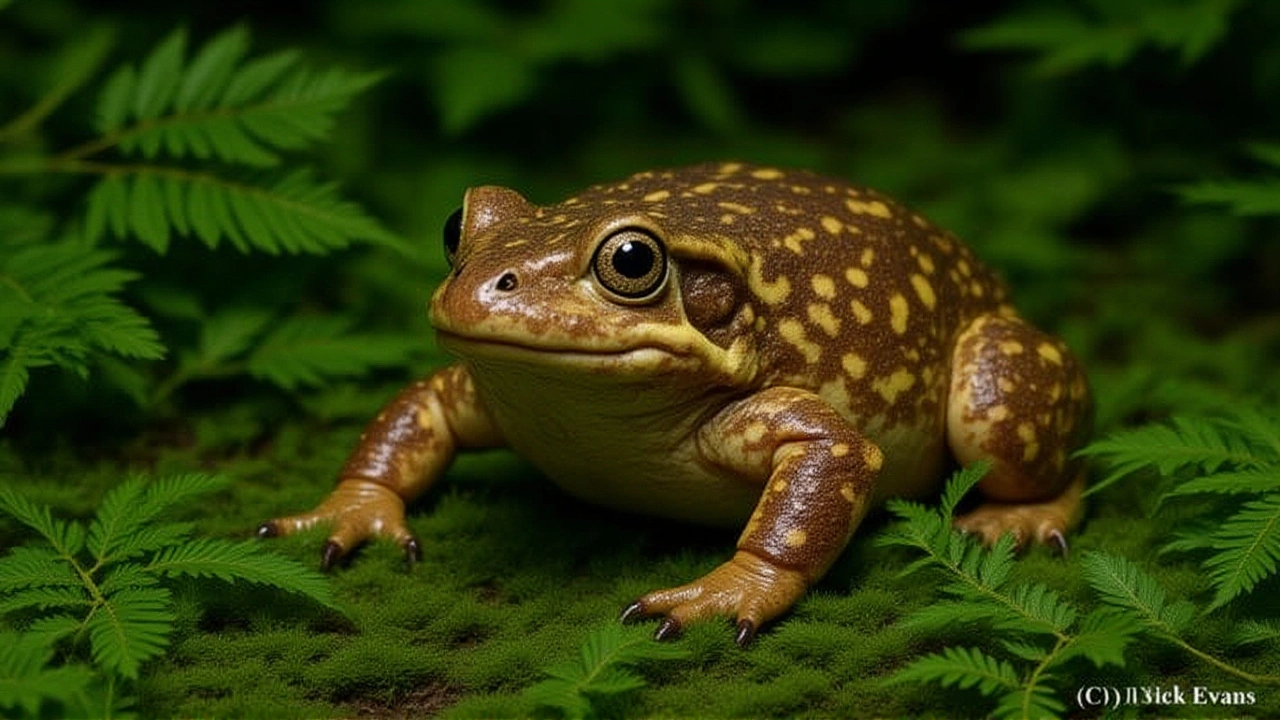
New 'Boston rain frog' discovered in South Africa, reshaping conservation for endangered sibling species
A new rain frog species, Breviceps batrachophiliorum, discovered in South Africa’s KwaZulu-Natal Midlands, has corrected a long-standing misidentification, pushing Bilbo’s rain frog to Critically Endangered status and reshaping conservation efforts.
read more