Science in South Africa: Discoveries, Conservation, and Real-World Impact
When we talk about science, the systematic study of the natural world through observation and experiment. Also known as scientific research, it's not just lab coats and data sheets—it’s about saving animals, fixing mistakes from the past, and changing how we protect nature. In South Africa, science isn’t happening in isolation. It’s tied to forests, rivers, and the tiny creatures no one noticed until someone looked closer.
Take the rain frog, a small, burrowing amphibian found in southern Africa, often mistaken for other species due to similar appearance. For years, scientists thought they were studying just one type—the Bilbo’s rain frog. But new research from North-West University, a leading South African institution driving local biodiversity research revealed a hidden species: Breviceps batrachophiliorum, a newly identified rain frog species discovered in the KwaZulu-Natal Midlands. This wasn’t just adding another name to a list. It meant the old species, once thought to be more common, was actually far rarer than anyone realized. Now, it’s listed as Critically Endangered. That shift didn’t come from theory. It came from fieldwork, DNA tests, and local experts who noticed something didn’t add up.
That’s what science looks like on the ground here. It’s not just about big discoveries—it’s about correcting what we got wrong. When we misidentify a species, we misallocate resources. We might protect the wrong habitat, fund the wrong program, or ignore a species that’s vanishing. This new frog forced conservationists to rethink everything. Now, efforts are being redirected to protect the actual habitat of the real Bilbo’s rain frog, not the one people thought it was.
And this isn’t an isolated case. Across South Africa, science is quietly reshaping how we understand the natural world. From tracking rare birds to mapping soil health in drought zones, the work being done here has global ripple effects. You don’t need a PhD to see the impact—just pay attention to what’s happening in places like the KwaZulu-Natal Midlands. Tiny creatures, big consequences.
Below, you’ll find real stories from the front lines of science in Africa—discoveries that changed conservation, research that challenged old beliefs, and the people making it all happen. No fluff. Just facts that matter.
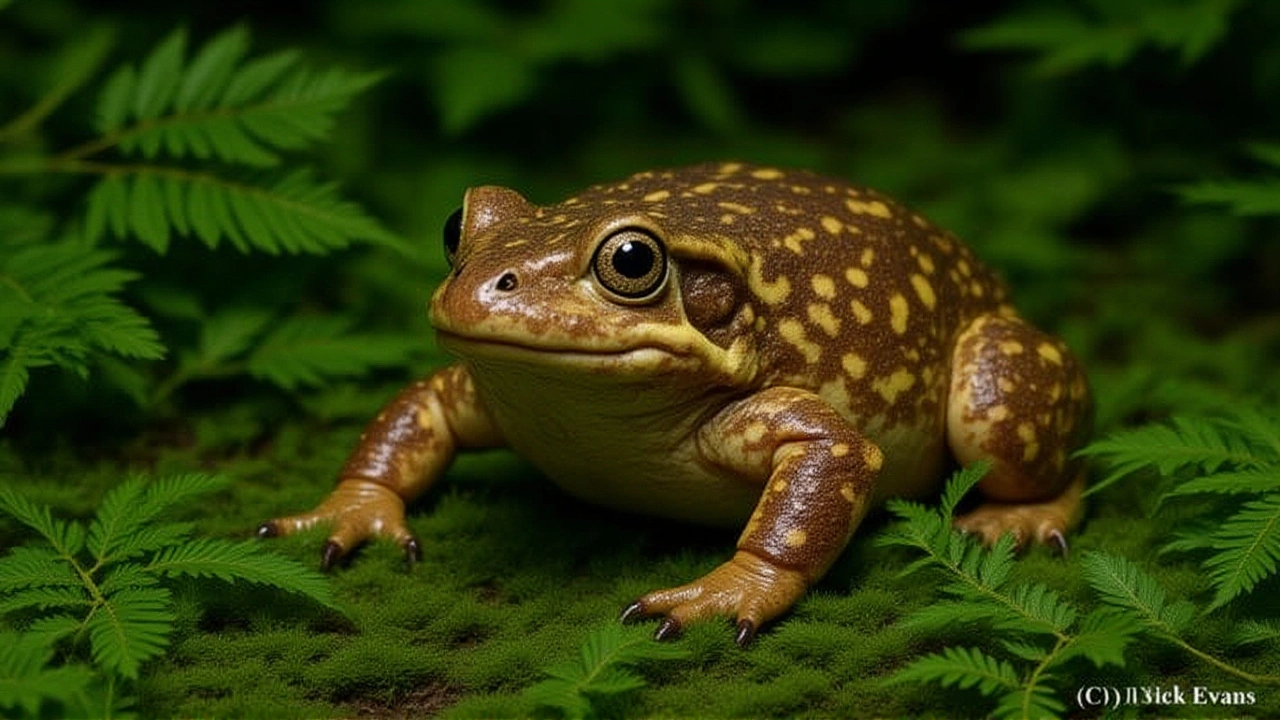
New 'Boston rain frog' discovered in South Africa, reshaping conservation for endangered sibling species
A new rain frog species, Breviceps batrachophiliorum, discovered in South Africa’s KwaZulu-Natal Midlands, has corrected a long-standing misidentification, pushing Bilbo’s rain frog to Critically Endangered status and reshaping conservation efforts.
read more